Gran Canaria’s shopping scene is evolving. New centres in Puerto Rico and Maspalomas showcase global franchises, while traditional malls, weekly markets, and local initiatives like “KM0” continue to support independent businesses. The result is a mix of convenience, authenticity, and competition that reflects the island’s wider economic and social landscape.
|
----- Google provide a way for you to
|
Resorts and the Rise of the Franchise
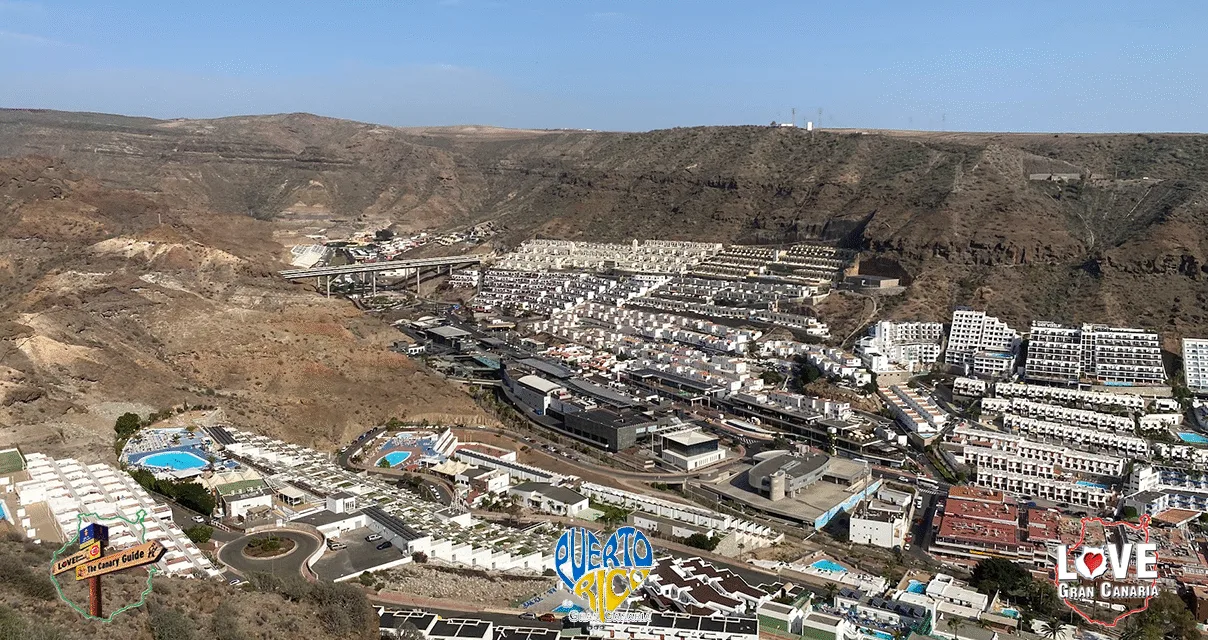
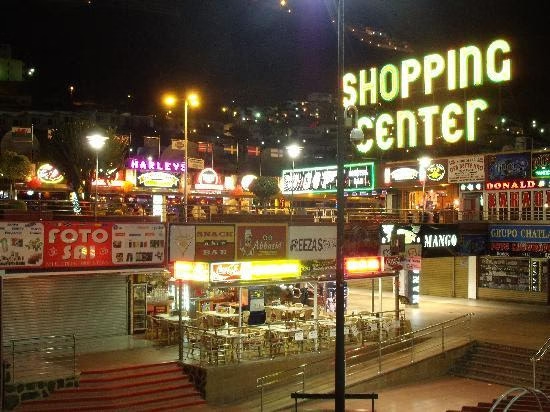 In the island’s main resorts, global franchises are hard to miss. The Mogán Mall in Puerto Rico, opened in 2019, is filled with well-known fashion chains, international brands, and fast-food outlets. Nearby, The Market Puerto Rico combines gastronomy with leisure but still leans on recognisable operators alongside new brands.
The original Shopping Centre Puerto Rico, recently renovated, remains a cornerstone for small independent businesses. Many of its cafés, restaurants, excursion offices, and shops are run by foreign residents from Britain, Scandinavia, Germany, and Ireland, alongside Canarian families. For returning visitors, this centre offers continuity and a more personal touch that chains cannot replicate.
A similar dynamic is visible in Maspalomas and Playa del Inglés. Historic complexes such as the Yumbo Centrum and the Cita Shopping Centre continue to attract thousands with their blend of nightlife, services, and retail. At the same time, the new enclosed shopping centre approved in 2024 for Playa del Inglés promises another wave of international brands.

Markets and Local Initiatives
Beyond the big malls, Gran Canaria maintains a vibrant tradition of street markets and independent traders. Weekly markets in places like Teror, San Mateo, Playa de Mogán and Arguineguín offer fresh produce, crafts, and local delicacies. These markets not only draw visitors but also help sustain family businesses that have been trading for generations.
The KM0 Gran Canaria initiative, backed by the Cabildo (Gran Canaria’s island government), encourages residents and visitors to support local producers by buying directly from the island’s farmers, artisans, and small retailers. Pop-up fairs and KM0-labelled outlets give visibility to Canarian cheese, wine, honey, and crafts, helping to keep money circulating within the local economy.
A Question of Identity
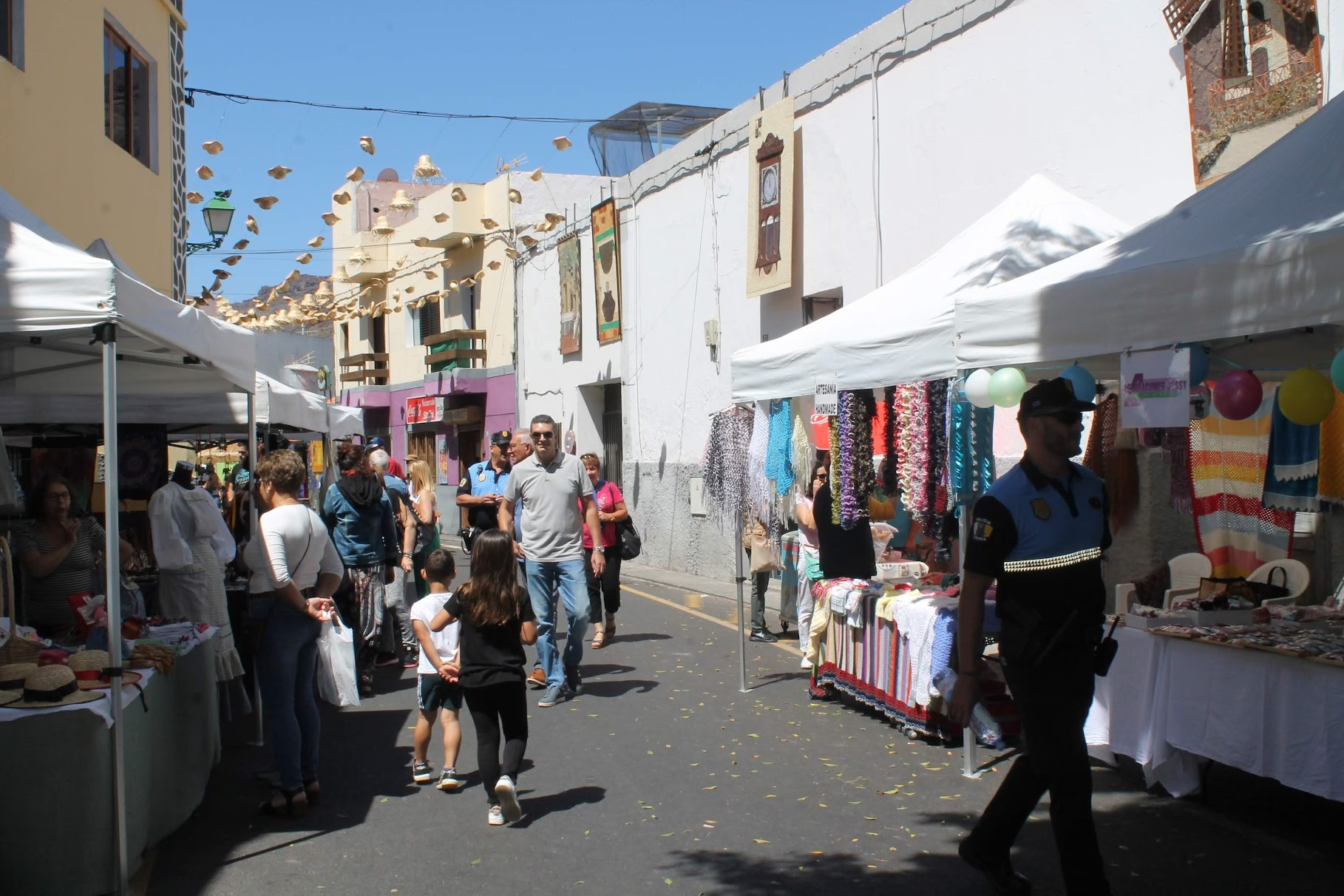 The spread of franchises has clear advantages: local jobs, predictable standards, and strong appeal for mass tourism. These large brand stores, and chains reflect a wider change in the world. But small traders face mounting pressure. A report from the Canary Federation of Business and Commerce (FEDECO) noted that commercial rents have risen more than 30% in just four years, leaving many independents unable to compete with multinational tenants who can pay higher leases.
This raises a question of identity. Do visitors want the same shops and cafés they see in Madrid, Manchester, or Berlin, or do they seek something distinctly Canarian? Increasingly, surveys suggest both: while some holidaymakers want the comfort of familiar brands, many value authentic experiences and personal service.
The Island Economy
Gran Canaria’s retail changes reflect the wider pressures of a tourism-driven economy. Tourism generates over a third of GDP and almost 40% of jobs on the island. For global brands, this guarantees footfall; for independents, it guarantees competition.
At the same time, the foreign-owned independent sector has become part of the island’s fabric, blending with local businesses to provide everything from diving schools and restaurants to boutiques and artisan shops. Together, they add resilience and diversity to Gran Canaria’s economy.
As new shopping centres rise and rents continue to climb, the challenge will be balance. Franchises bring recognition and stability, but markets, independents, and KM0 producers bring the authenticity that keeps Gran Canaria’s identity alive.