Spain’s National Police have arrested 16 occupants from a large migrant canoe (cayuco) rescued on 24 August south of the Canary Islands, after “several dozen” people died during the journey. The case, now before judicial authorities, follows survivor accounts that some deaths may have been violent.
|
----- Google provide a way for you to
|
Rescue and arrests
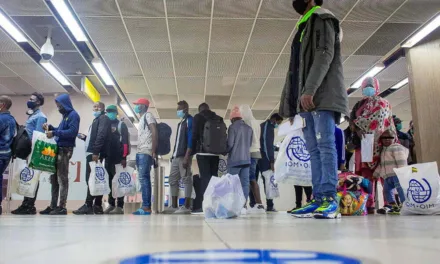
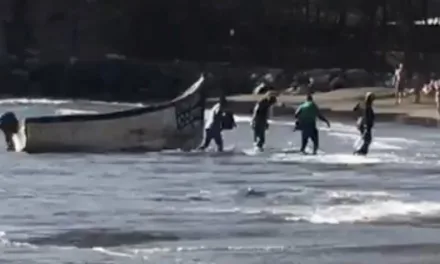
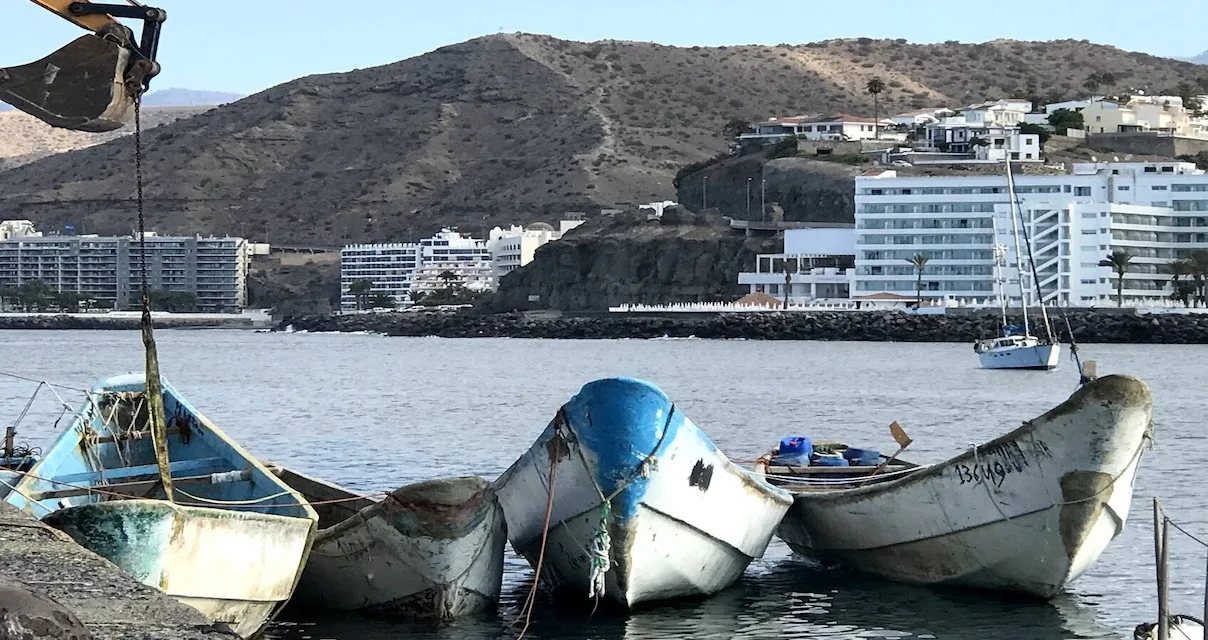
The cayuco (fishing boat) was located after a merchant vessel raised the alarm roughly 430 km south of Gran Canaria. Spain’s Salvamento Marítimo coordinated the operation and brought the survivors to Arguineguín. Initial counts reported around 236–248 people rescued, including at least ten minors and two infants; investigators continue to work on an official tally of the dead and missing.
Police confirmed 16 arrests based on early testimony from survivors. Judicial and police sources say inquiries focus on possible violent deaths aboard, alongside fatalities linked to dehydration and exhaustion after days adrift; some accounts claim people were thrown overboard. The exact number of deaths has not been formally established.
What investigators are examining
According to media briefings from the regional police command, investigators are considering potential charges that include offences against the rights of foreign citizens and manslaughter, while they work to identify who captained or controlled the cayuco during the voyage. Officials have reiterated that the inquiry is ongoing and that no definitive death toll has been released.
Survivor statements gathered so far indicate the cayuco may have spent up to 11 days adrift after engine failure, with deaths occurring from exposure and some allegedly in violent circumstances. Authorities have not confirmed those allegations but say they are central to the investigation.

The numbers: 2025 arrivals and last year’s record
This incident comes as overall irregular sea arrivals to the Canary Islands have fallen markedly in 2025 compared with the prior year’s record. By 31 August 2025, Spain’s Interior Ministry counted 12,126 arrivals to the Canaries, down more than 50% compared with the same period in 2024.
That drop follows a record 2024, when 46,843 people reached the archipelago by sea—the highest annual total on the Atlantic route to date.
The Atlantic route remains among the deadliest. The International Organization for Migration documented over 1,000 deaths or disappearances on routes to Spain in 2024, with further tragedies recorded already this year. NGOs estimate the true figure could be higher.
The scale and distance of recent rescues underscore the strain on search-and-rescue, reception facilities, and child-protection services in the islands. Authorities have been relocating unaccompanied minors to mainland Spain under court-endorsed measures while pressing for clearer burden-sharing rules. The investigation into the 24 August cayuco—especially the question of violent deaths at sea—has become a focal point in that broader debate.
Key facts at a glance
Rescue: 24 August; ~430 km south of Gran Canaria; survivors landed at Arguineguín.
Survivors: around 236–248 reported; minors and infants among those rescued. Official death toll pending.
Arrests: 16 detained over alleged crimes linked to deaths onboard.
Context: 12,126 arrivals to the Canaries Jan–Aug 2025 (–52% year on year); 46,843 arrivals in 2024 (record).