The Canary Islands closed 2024 with their highest ever number of visitors, nearly 18 million people. Tourism remains the lifeblood of the archipelago’s economy, but record arrivals are fuelling concerns about housing, infrastructure, and quality of life. As 2025 unfolds, the question is whether the islands can sustain growth without undermining the very paradise that attracts visitors in the first place.
|
----- Google provide a way for you to
|
Record-breaking numbers
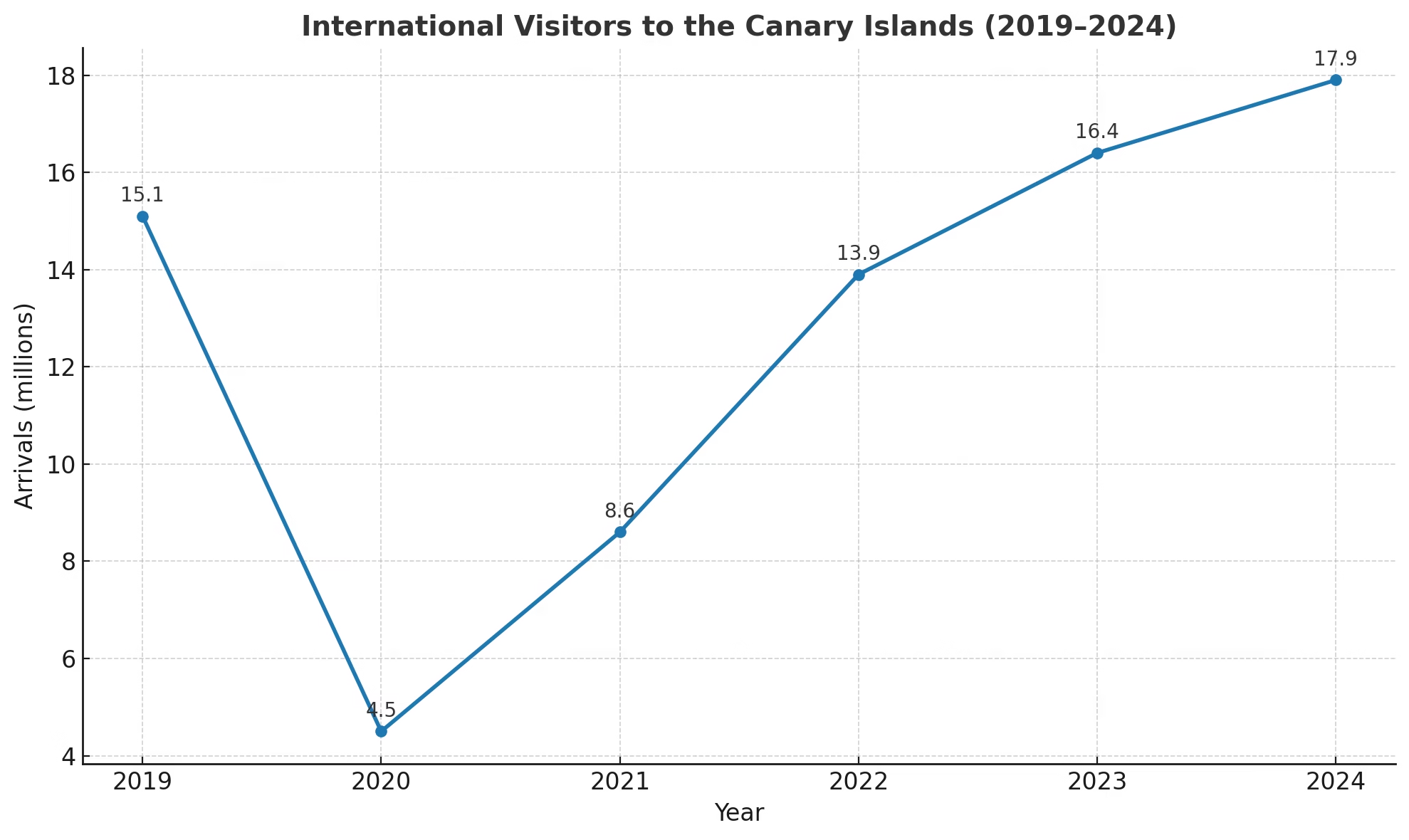
According to Spain’s National Statistics Institute (INE), the Canary Islands received 17.9 million international visitors in 2024, a new all-time high. That figure represents a 9% increase over 2023 and consolidates the archipelago as Spain’s second most visited destination after Catalonia.
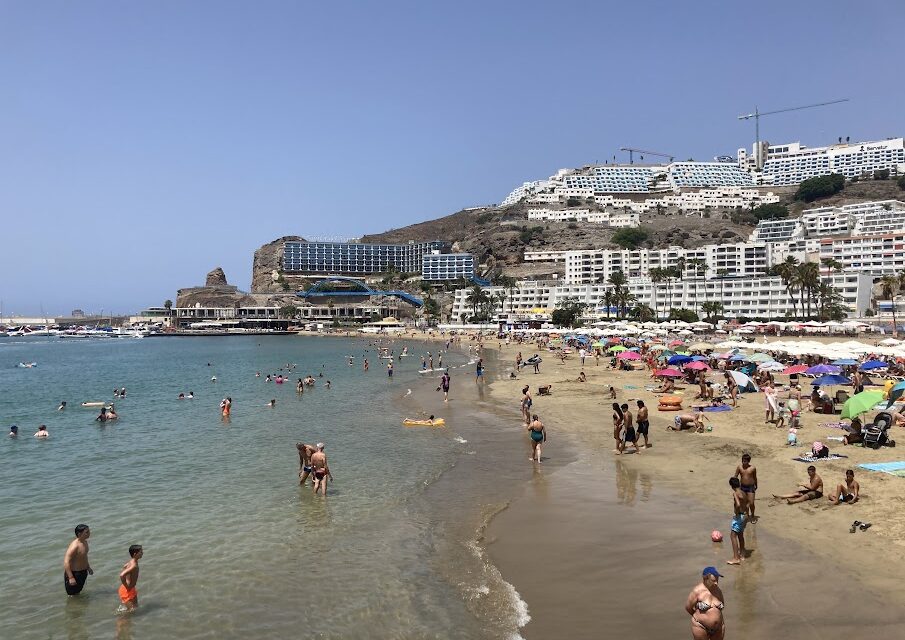
Gran Canaria alone accounted for nearly 4.4 million arrivals, while Tenerife attracted over 6 million. Fuerteventura, Lanzarote, and the smaller islands also saw increases, with La Palma rebounding strongly after the 2021 volcanic eruption.
Tourism contributed an estimated 35% of Canary Islands GDP and almost 40% of total employment in 2024, underlining the sector’s dominance in the local economy.
Pressure points: housing, transport, environment
 But the boom has exposed serious strains. Housing costs have soared as short-term rentals absorb more of the housing stock, particularly in southern Gran Canaria, Arrecife, and tourist zones of Tenerife. Average rent across the Canaries rose 34% between 2019 and 2024, outpacing wage growth by a wide margin.

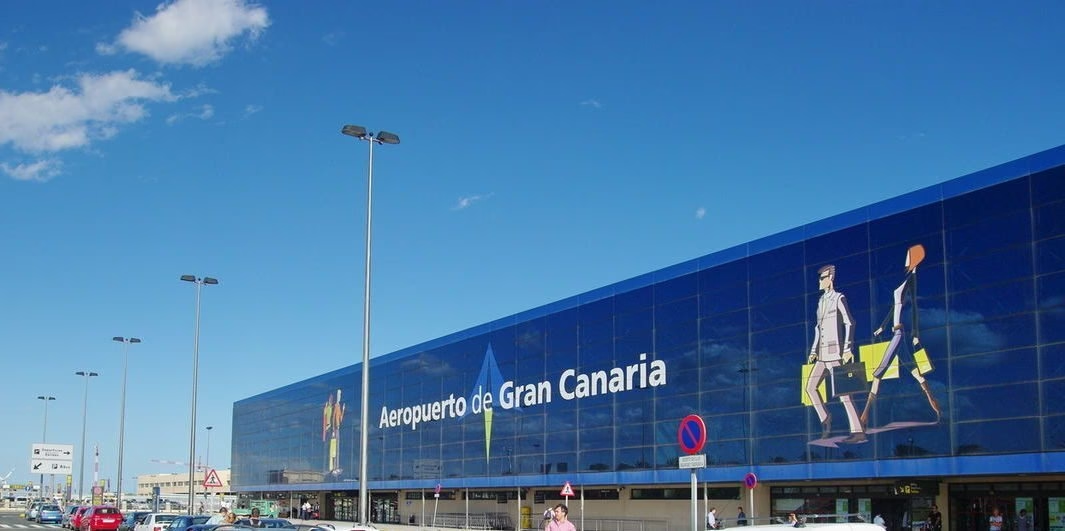
Transport infrastructure is also stretched. The airports of Gran Canaria and Tenerife South handled record passenger volumes in 2024, exceeding 15 million and 13 million passenger journeys respectively. Roads down to the main resorts frequently suffer congestion, particularly along the GC-1 corridor on Gran Canaria.
Environmental groups warn of the toll on fragile ecosystems. Popular sites like Maspalomas Dunes, Timanfaya National Park, and Teide face visitor numbers that challenge conservation efforts. Waste management and water use are pressing issues in islands with limited natural resources.
Social pushback
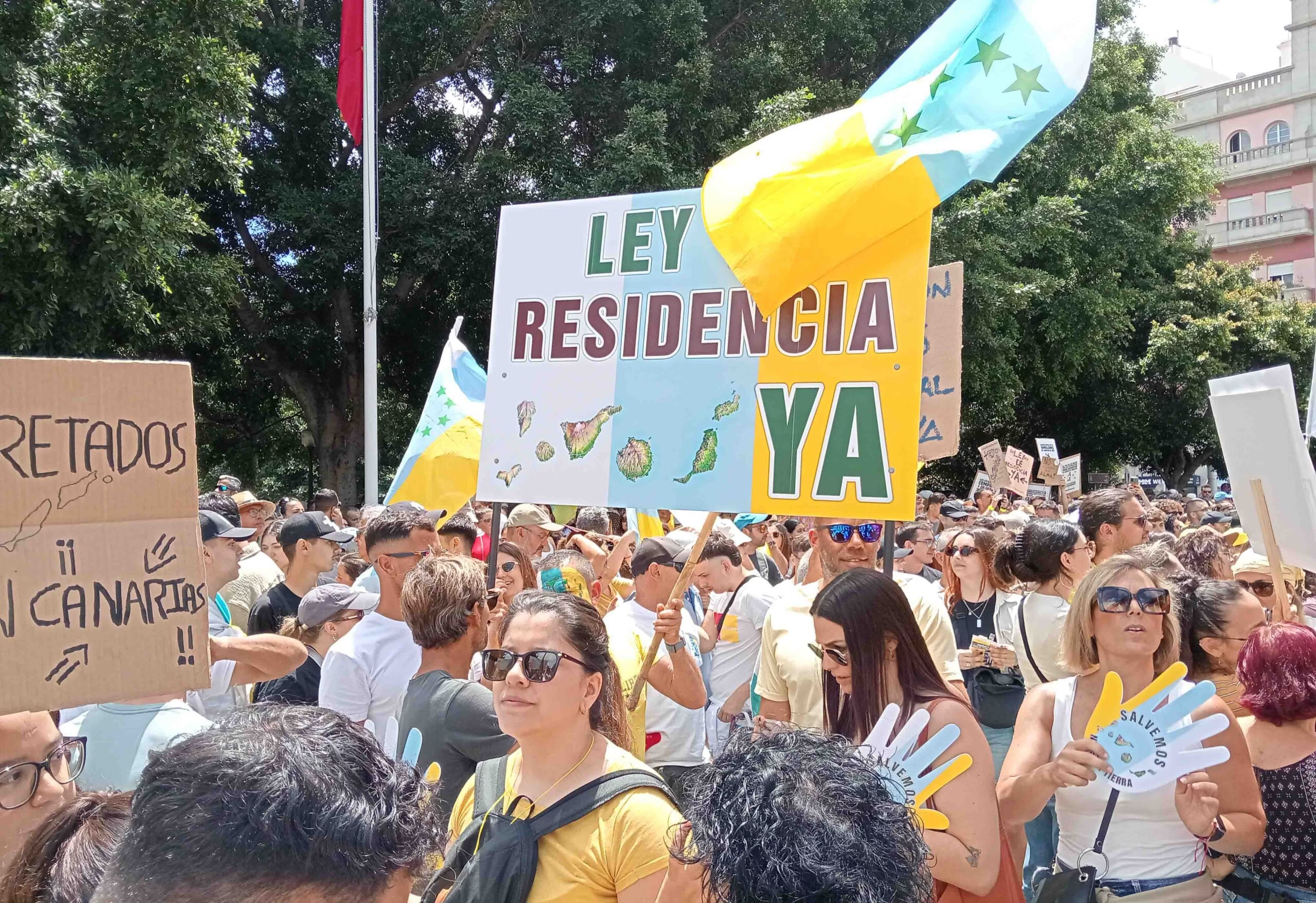
intersindicalcanariasalud.org
In April 2024, tens of thousands joined demonstrations across the archipelago under the slogan “Canarias Tiene un Límite” (“The Canaries Have a Limit”). Protesters highlighted unaffordable housing, precarious jobs, and the erosion of local identity.
For many residents, the benefits of mass tourism are unevenly distributed. While hotels and tour operators post strong profits, many workers remain in low-paid, seasonal roles. Young Canarians, in particular, feel squeezed out of housing markets and career opportunities.
Government response
Regional president Fernando Clavijo has acknowledged the need to “rebalance” the tourism model. The government is currently drafting new legislation on holiday rentals, alongside measures to increase social housing supply.
Investment is also being directed toward infrastructure upgrades, including airport expansions, road improvements, and the controversial debate over reviving rail projects in Tenerife and Gran Canaria.
At the same time, the Canarian Tourism Board has launched campaigns to promote “quality over quantity”, encouraging visitors to explore cultural, gastronomic, and rural tourism beyond the traditional beach resorts.
A fragile balance
Tourism remains the Canary Islands’ strongest asset — few other European destinations can offer year-round sunshine, established infrastructure, and a safe environment. Yet the boom underscores a dilemma: growth brings revenue but also risks social and environmental sustainability.
As one analyst recently put it: “The Canary Islands cannot afford to kill the goose that lays the golden egg. The challenge is to share the benefits more fairly, and to protect the islands’ limited space and fragile ecosystems.”