The Canary Islands’ Vacation Rental Association (ASCAV) is accusing the regional government of “harassment,” as property owners continue to face fines of up to €2,500 for using their own apartments for personal stays. Despite a decree intended to halt such sanctions, the association claims the practice persists, leaving thousands of families in limbo.
|
----- Google provide a way for you to
|
Holiday Homes Clash
Holiday rentals have long been a flashpoint in the Canary Islands. For local families, owning a small apartment or bungalow often represents a modest investment, a second home for weekends, or a way to supplement income during high tourist seasons. For visitors, these properties provide an alternative to hotels, often at lower prices and with greater flexibility.
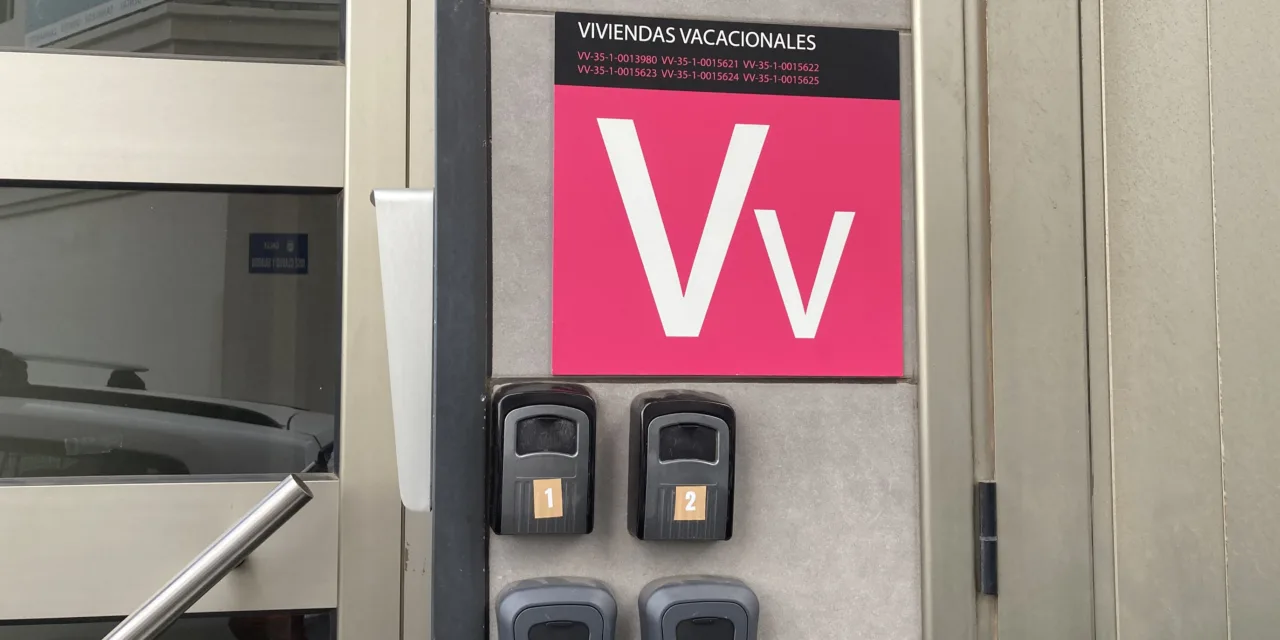
But under current regional regulations, properties registered for “touristic exploitation” cannot legally be used for personal stays by their owners unless the entire complex converts to residential status. In practice, this means an owner who spends a weekend in their own apartment risks a hefty fine.
ASCAV argues that this approach unfairly penalises small owners while favouring large hotel chains and corporate tourism operators. “Families who saved for years to buy a modest holiday property are being treated as if they are criminals,” the association declared in a recent statement.
A Decree That Changed Little
In theory, this issue was supposed to be resolved last year. The Canary Islands’ Ministry of Tourism introduced a decree aimed at suspending sanctions against owners using their properties personally. However, the fine print makes the suspension almost impossible to achieve.
The decree requires that the entire building complex must unanimously agree to convert from touristic to residential use. ASCAV calls this condition “absolutely impossible,” noting that most complexes have dozens, sometimes hundreds, of owners with widely differing interests.
As a result, the decree has had little real effect. Inspectors continue to issue sanctions, and property owners who thought they were protected are receiving notices demanding payment.
The Cost
Behind the legal language are families caught in a difficult position. Many purchased their apartments during better times, encouraged by government and industry campaigns that promoted holiday rentals as a safe investment. Now, those same owners are discovering they cannot use their own property without risking penalties.
One retired couple from Gran Canaria described receiving a €1,800 fine after staying in their apartment for a long weekend with their grandchildren. “It felt like punishment for being here,” they said. “We worked hard all our lives to buy this place, and now we’re told we can’t even spend the night.”
Stories like these resonate strongly with the islands’ foreign community as well. Many British, German, and Scandinavian residents own small second homes in tourist areas. While most are not part of the formal rental system, they watch closely as the rules shift, wondering if they too could be targeted in future regulations.
The Canary Islands government insists that strict regulation is necessary to manage the balance between residential needs and tourism demand. Officials argue that uncontrolled growth of vacation rentals has contributed to the housing crisis, particularly in southern municipalities like Mogán and San Bartolomé de Tirajana.
The Ministry of Tourism maintains that the current system is designed to prevent “abuse” and to ensure that properties designated as tourist accommodation are used accordingly. By requiring unanimous agreement for conversion, they say, the government protects the rights of owners who want to maintain their apartments as income-generating rentals.
Yet critics counter that the policy mainly benefits large-scale operators who dominate the market, while ordinary families lose flexibility.
A Broader Battle
This dispute cannot be separated from the wider housing crisis now gripping the Canary Islands. Foreign investment, short-term holiday rentals, and limited supply have driven prices to levels far beyond the reach of many local residents.

Earlier this week, the Canary Islands government formally launched a plan to restrict property sales to non-residents, marking a major policy shift. That move has been welcomed by protesters who rallied under the slogan “Canarias Tiene un Límite” (“The Canaries Have a Limit”), but it has also raised alarms among foreign investors and existing property owners.
For ASCAV, the fines issue is part of the same pattern: government action that appears to target small players while leaving larger structural problems unresolved. “You cannot solve the housing crisis by punishing families who simply want to enjoy their own property,” the association argues.
Calls for Legal Clarity
ASCAV is urging the government to clarify the law through a ministerial order that explicitly exempts owners from fines when they use their property personally. They also want clearer guidelines on the rights and obligations of property owners, rental platforms, and touristic complexes.
Lawyers consulted by the association warn that the current framework may not withstand legal scrutiny. Some argue that penalising owners for private use of their property could violate basic rights to property and residence under Spanish law.
Meanwhile, cases are slowly making their way through the courts, adding further uncertainty. Until a definitive judgment is issued, owners remain vulnerable.
Foreign Residents Watch Closely
For the Canary Islands’ large expat community, many of whom own second homes, the ASCAV dispute feels uncomfortably close to home. While most foreign residents are registered and live permanently on the islands, the message that “non-residents are not welcome to own property freely” is unsettling.
Foreign owners already face rising property transfer taxes, growing bureaucracy, and now the spectre of wider restrictions. “We came here to be part of the community, not to be treated as outsiders,” said a British resident in Puerto Rico de Gran Canaria, who asked not to be named.
What Next
The issue is unlikely to disappear soon. ASCAV has pledged to continue lobbying both the regional government and national authorities. They are also exploring the possibility of taking cases to European courts, arguing that the fines may conflict with EU protections on property rights and free movement.
In the meantime, owners are advised to be cautious. Legal experts recommend keeping clear records of property use and seeking professional advice before making changes to rental arrangements.
The Bigger Picture
At its heart, the fines controversy highlights the Canary Islands’ struggle to reconcile three competing priorities:
Protecting affordable housing for local residents.
Maintaining a thriving tourism sector that is the backbone of the islands’ economy.
Respecting the rights of small property owners, both local and foreign.
Finding that balance has proven extraordinarily difficult. Each policy decision, whether it’s restricting foreign buyers, regulating vacation rentals, or controlling hotel expansion, sparks new conflict.
As one tourism analyst put it: “The Canary Islands are trying to be both a paradise for visitors and a livable home for residents. The tension between those two goals is now at breaking point.”
For now, ASCAV’s members continue to face fines they believe are unjust, while waiting for political promises to translate into real change. The outcome of this battle will shape not only the future of thousands of families but also the direction of tourism policy across the islands.
One thing is clear: the debate over who gets to live, stay, and invest in the Canary Islands is far from over.