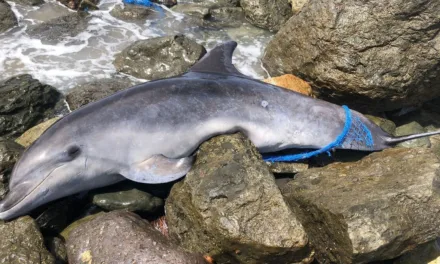
Canary Islands – Spanish environmental organization SEO/BirdLife has urged national and regional governments to implement stronger legal measures to prevent waste from entering marine ecosystems. The group refers to this phenomenon as the “silent journey” of litter to the sea.
|
----- Google provide a way for you to
|
This call comes in response to increasing evidence that land-based waste, particularly plastic and agricultural runoff, is making its way into coastal and ocean environments. This occurs through rivers, ravines, sewage systems, and wind transport, often without clear accountability or regulation. The Canary Islands, with their extensive coastline and fragile marine biodiversity, are particularly vulnerable to this type of pollution.
The Problem: Out of Sight, But Not Out of the System
According to SEO/BirdLife, the issue isn’t just marine litter washing up on beaches, but also the less visible waste that travels from inland areas to the sea. In many instances:
-
Trash enters stormwater channels, ravines, or unprotected landfills.
-
It moves slowly over weeks or months, often through unmonitored natural gullies.
-
It eventually reaches the ocean long after its origin is forgotten, making enforcement or fines difficult.
This untraceable process complicates efforts for environmental authorities to assign responsibility, leading to what BirdLife calls a “regulatory vacuum.” The lack of data is also a key issue, as most of Spain’s current litter tracking focuses on coastal cleanup figures rather than the inland waste pathways that contribute to pollution over time.

Why the Canaries Are Especially Vulnerable
Island territories like the Canary Islands face disproportionate risks from marine litter due to several factors:
-
Their ocean currents often act as collection points for plastic.
-
Short distances between land and sea increase the speed of litter transport.
-
Ravines (“barrancos”) in Gran Canaria and Tenerife frequently funnel water—and debris—directly to the coast after storms.
Several Canary-based conservation groups have expressed support for SEO/BirdLife’s proposals, citing local campaigns like beach clean-ups in La Aldea, Famara, and Playa del Inglés as evidence of persistent pollution sources.
What SEO/BirdLife Is Demanding
The organization is calling for:
-
New legal frameworks that assign liability based on waste traceability.
-
The creation of buffer zones near waterways and ravines.
-
Tighter controls on agricultural and industrial waste near coastal areas.
-
Public awareness campaigns targeting littering and improper disposal inland.
Spain’s Broader Waste Management Challenge
Despite advances in recycling and local clean-up initiatives, Spain continues to exceed EU targets for per-capita plastic usage. While municipal littering laws exist, environmental groups argue they are inconsistently enforced, and offenders often go unpunished. The Canary Islands have their own regional waste management plans, but natural drainage systems and illegal dumping remain weak spots that allow litter to begin its “silent journey” to the sea.