

Las Palmas de Gran Canaria is currently embroiled in a contentious public safety debate after official crime statistics for the first half of 2025 revealed increases in violent crimes, including homicides rising from zero to four. The Popular Party (PP) has sharply criticized the city council and Mayor Carolina Darias, accusing them of downplaying a “serious deterioration in public safety” while official data from the Interior Ministry confirm a rise in violent offences and sexual crimes. Police unions have echoed these concerns, highlighting a significant shortfall in policing resources, with approximately 450 officers available versus an estimated need of more than 750. The governing PSOE party insists the city remains safe, attributing the situation to isolated problems and emphasizing ongoing efforts to improve security, including plans to install surveillance cameras in high-crime districts.
|
----- Google provide a way for you to
|
The political sparring reflects a broader trend toward pointing to percentage increases in crime that, while statistically notable, originate from very low base numbers. For example, doubling attempted homicides means an increase from two to four incidents; a fourfold rise from zero to four homicides remains low in absolute terms.
The city council is currently facing intense scrutiny following the release of crime statistics for the first half of 2025 showing a rise in violent and sexual offenses. According to Jimena Delgado-Taramona, spokesperson for the Popular Party (PP), intentional homicides in the city rose from zero to four, attempted homicides doubled, and serious assaults increased by 22 percent compared to the previous year. These figures have sparked concerns among politicians and local police unions, which have long warned of inadequate police staffing and resources in the city.
Spotlight on Las Palmas: Rising Crime Concerns
-
Homicides up from 0 to 4
-
Attempted homicides doubled (from 2 to 4)
-
Serious assaults increased by 22%
-
Police force understaffed: 450 officers vs. 750 needed
-
New surveillance cameras planned for hotspots like Santa Catalina Park and Vegueta
Local authorities have responded by proposing the installation of additional video surveillance in key urban areas known for higher criminal activity. However, critics argue these steps alone fall short without boosting frontline police presence and preventative policing strategies. The current Councilor for Security also manages Culture, a move seen by some as diluting the political focus on safety.
Gran Canaria’s Wider Safety Context
Despite concerning developments in Las Palmas, it’s essential to frame these trends within the broader picture of Gran Canaria’s overall security—especially its renowned southern resort areas. The island’s main tourism hubs such as Maspalomas, Meloneras, and Playa del Inglés continue to maintain an exceptionally safe reputation for visitors.
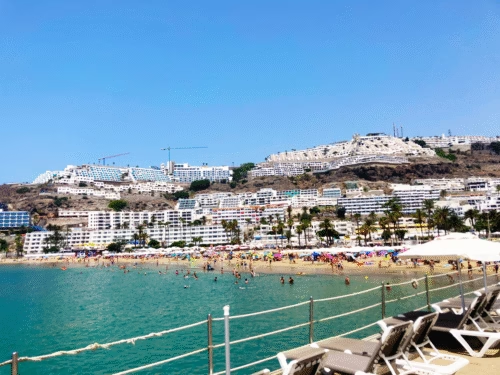
: Why the South of Gran Canaria Stands Out
Heavy investment in security measures
High police and private security presence
Modern surveillance systems
Community-oriented policing
Very low rates of violent crime

Tourist zones in the south benefit from continuous patrols and cooperation between local police and resort security personnel. Violent crime incidents in these areas are rare, and most visitor encounters with crime are limited to minor theft, occurring far less often than in many other European holiday hotspots.
How Gran Canaria Compares with Other Spanish Destinations
| Destination | Crime Rate Overview | Tourist Safety Level |
|---|---|---|
| Gran Canaria Resorts | Very Low | Very High |
| Barcelona | Moderate to High | Moderate |
| Balearic Islands | Higher in nightlife zones | Moderate |
| Madrid | Moderate to High | Moderate |
| Palma de Mallorca | Higher crime in summer | Moderate |
Large Spanish cities like Barcelona and Madrid report significantly higher rates of theft, assaults, and violent crime. Palma de Mallorca and the Balearic Islands also experience seasonal spikes tied to overcrowded nightlife scenes and large tourist gatherings. By contrast, Gran Canaria offers a relatively low-risk environment year-round.

Overall Crime and Safety Levels on Gran Canaria
Gran Canaria’s crime rates sit well below the national average for Spain. Most offences are non-violent, with petty theft being the predominant issue, yet even these instances are less frequent than on many mainland holiday routes. The island’s insularity and focused law enforcement efforts create an environment where violent crime is rare and well-managed.
Safety Snapshot
Total crime rates roughly half the Spanish national average
Violent crime is uncommon
Petty theft occurs, but less than in major European cities
Visitors overwhelmingly report feeling safe and secure
Gran Canaria’s Place in European Tourism Safety Rankings: A Closer Look at the Data
Beyond the headlines, Gran Canaria remains one of the safest major tourist destinations in Spain and Europe. The island’s southern resorts—Maspalomas, Playa del Inglés, Meloneras, among others—consistently report very low crime rates, with incidents primarily limited to minor theft and non-violent offenses. Violent crime and sexual offences are rare, and public safety infrastructure benefits from a combination of visible police presence, private security, and advanced surveillance technologies.
Crime Rates in Perspective
| Location | Homicides (H1 2025) | Overall Crime Rate (per 1000 residents) | Tourist Safety Rating |
|---|---|---|---|
| Las Palmas | 4 | Low to Moderate | Moderate |
| Gran Canaria Resorts | 0-1 | Very Low | Very High |
| Barcelona | 20-30 | High | Moderate |
| Palma de Mallorca | 7-10 | Moderate to High | Moderate |
| Madrid | 40+ | High | Moderate |
Despite the increase in Las Palmas, the capital’s figures remain low compared to other European tourist hubs. Its surge appears partly driven by isolated incidents within a limited urban area, rather than a widespread breakdown in safety.
What Drives Gran Canaria’s Exceptionally Low Crime Rates?
Gran Canaria’s comparatively low crime levels stem from several factors:
-
Very low levels of violent crime despite recent modest increases in Las Palmas.
-
Public safety concentrated on tourism hot spots with heavy policing and private security.
-
Minimal organised crime activity.
-
A smaller, more manageable population compared to mainland cities.
-
Strong collaboration between community, local police, and tourist operators.
Overall crime on the island usually involves petty theft rather than serious offences, which is consistent with safe tourist destinations worldwide.
The recent rise in crime statistics in Las Palmas has become a political flashpoint, used by opposition parties to pressure the ruling administration for increased action. However, the actual numbers behind these percentage increases represent very small absolute figures. Importantly, Gran Canaria and its internationally renowned tourist resorts maintain some of the lowest crime rates in Spain and Europe, providing visitors with a secure and welcoming environment. For tourists and residents alike, Gran Canaria remains a safe destination where public safety efforts continue to keep pace with the island’s vibrant tourism industry.