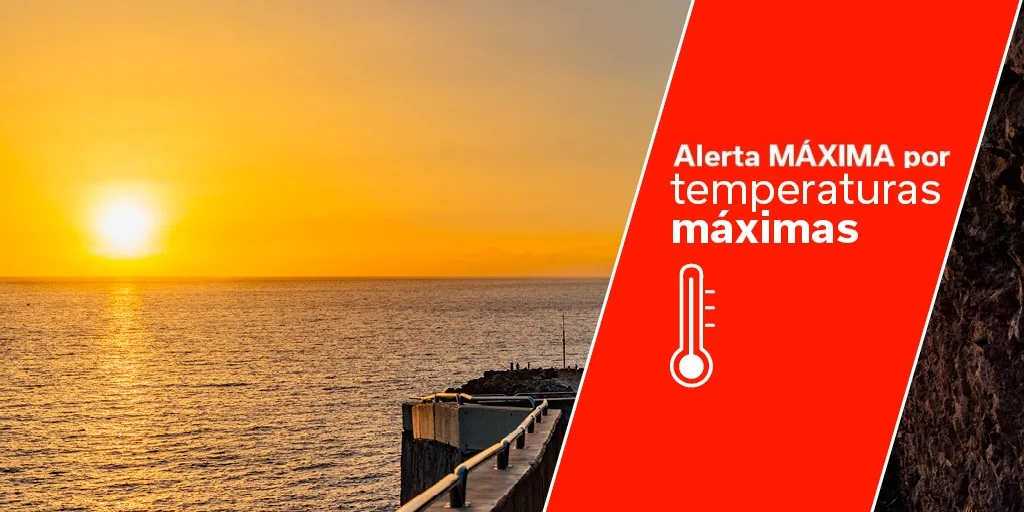
For the first time, the Canary Islands Government has activated its new Extreme Heat Alert system, with Gran Canaria among the islands expected to face exceptionally high temperatures this weekend. The warning — part of the regional Civil Protection framework — comes as weather models predict some of the most intense August heat in recent years, with conditions differing significantly between areas of the island.
|
----- Google provide a way for you to
|
Gran Canaria has entered an unprecedented Maximum Alert for high temperatures, activated today by the Canary Islands Government under the Civil Protection Plan for Adverse Meteorological Events (PEFMA).
The alert, issued at 11:49 on Friday 8 August, takes effect from 14:00 today and will remain in place until further notice. Forecasts point to a long-duration heatwave with a high probability of meeting the Spanish Meteorological Agency (AEMET) criteria for an official “heatwave” — including intense calima (Saharan dust), persistent heat day and night, and temperatures well above seasonal norms.
Why this is Gran Canaria’s first “Extreme Heat” alert
Although Gran Canaria has experienced many heatwaves in the past, this weekend’s warning is the first issued under the Canary Islands’ new heat emergency protocol, introduced in June 2024.
The update to the Civil Protection system created a new highest tier — “Alerta por Calor Extremo” — to be used when heat poses a severe and widespread risk to public health, infrastructure, and essential services. It sits above the colour-coded weather alerts used by the Spanish Meteorological Agency (AEMET), which remain in place for forecasting purposes.
Previously, the most serious notices were AEMET’s red alerts for high temperatures. Now, when the risk is considered exceptional, the Canary Islands Government can trigger this extra alert, which automatically activates coordinated emergency measures across health, social care, and civil protection agencies.
Factors behind this weekend’s declaration
According to the Directorate General of Emergencies and AEMET data, the decision to activate the alert for Gran Canaria is based on:
-
Forecast Temperatures
-
Multiple inland and southern areas are expected to exceed 44°C.
-
Coastal zones may remain above 30°C even at night, preventing relief and increasing health risks.
-
-
Duration of the Event
-
Extreme heat is expected to persist for several consecutive days, with little overnight cooling.
-
This increases the risk of cumulative heat stress, especially for vulnerable people.
-
-
Humidity and Calima Dust
-
Dry Saharan air (calima) will reduce humidity to dangerous levels inland, while some coastal areas face the opposite — high humidity making heat feel more oppressive.
-
-
Suppressed Trade Winds
-
Normally, August trade winds help moderate temperatures. This weekend, they are forecast to weaken significantly, allowing hot air to stagnate.
-
-
Solar Radiation Levels
-
UV index expected at very high to extreme levels (10–11), raising risks for skin and eye damage in minutes of unprotected exposure.
-
-
Public and Event Risk
-
The combination of extreme heat with major public gatherings, fiestas, and outdoor tourism activities increases the likelihood of medical emergencies.
-
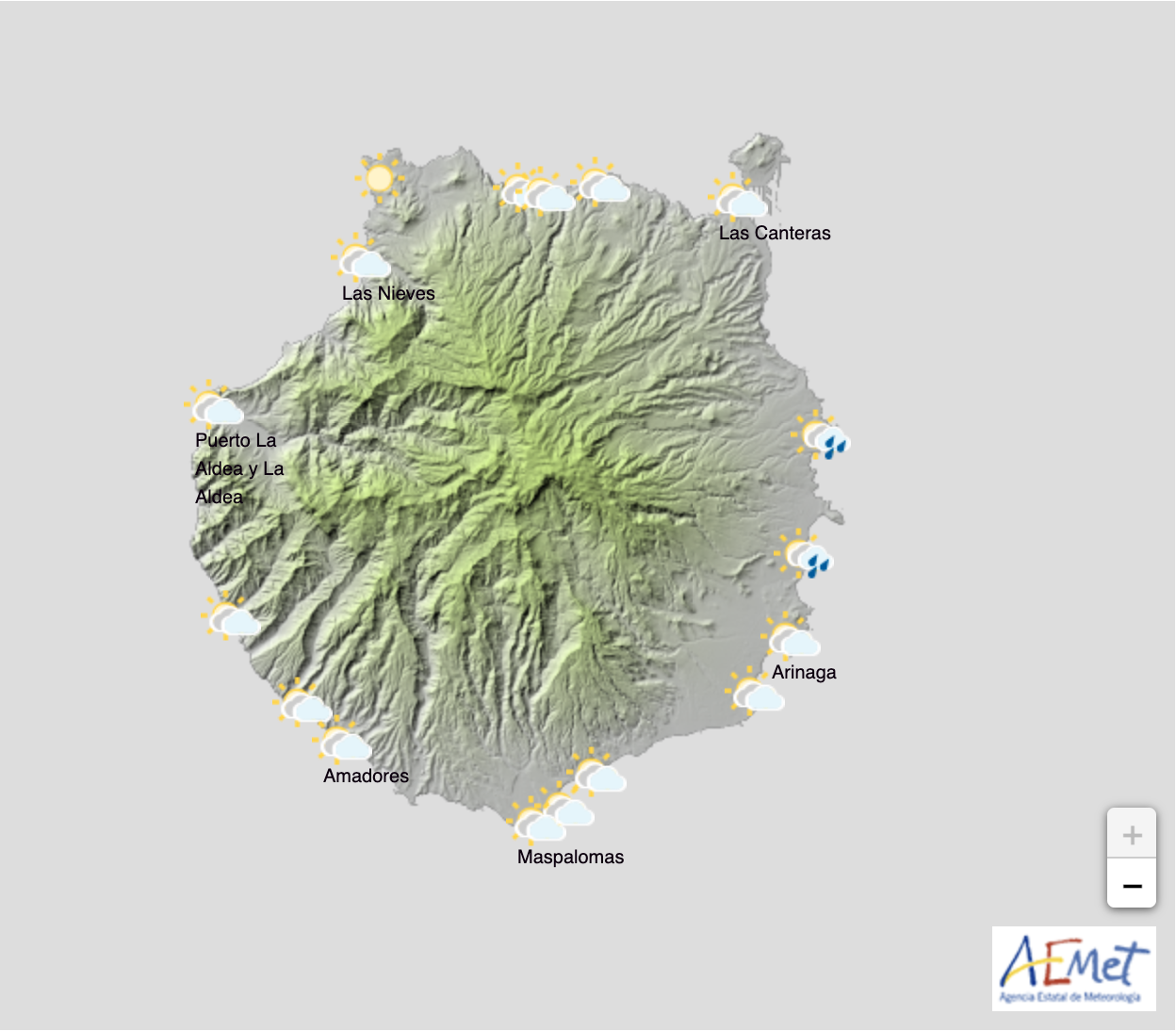
What to expect in Gran Canaria
According to the official forecast:

-
South and west medianías (mid-altitude zones) – These areas, including parts of San Bartolomé de Tirajana, Mogán, and the inland valleys behind them, could reach 41–44°C.
-
South coast resorts – Maspalomas, Playa del Inglés, Puerto Rico, and Amadores will see extreme heat, especially in sheltered inland valleys, with highs near 40–42°C.
-
North and northeast – Las Palmas de Gran Canaria, Telde, and Arucas may be cooler due to occasional trade winds but will still reach 33–36°C with high humidity.
-
Central highlands – Tejeda, Valsequillo, and San Mateo can expect 38–40°C and hot nights with minimums above 25–27°C.
-
North-west coast – Agaete and La Aldea de San Nicolás will also be hot but may benefit from limited evening cooling.
Night-time relief will be minimal: overnight minimums in the interior and highland areas are expected to stay between 25–30°C, keeping heat stress levels high.
Climate context
In August, Gran Canaria normally experiences coastal highs of 28–30°C with cooler nights, while the interior can exceed 35°C during occasional heatwaves. This episode is unusual for its combination of exceptionally high peaks, warm nights, and widespread coverage across the archipelago.
The cause is a strong Saharan airflow, carrying hot, dry, dust-laden air westward over the islands, combined with weak trade winds and intense solar radiation.
Official safety recommendations
The Government of the Canary Islands has issued the following advice to the public:
-
Stay out of the sun as much as possible. Lower blinds during sunny hours and ventilate homes at night.
-
Use fans or air conditioning where possible; if not available, spend at least two hours a day in air-conditioned public spaces.
-
Avoid direct sunlight outdoors; wear a hat or cap, light-coloured, loose-fitting clothing, and walk in the shade.
-
Hydrate frequently – drink water regularly, carry a bottle, and avoid alcohol or very hot, high-calorie foods.
-
Eat light meals, rich in water and minerals (fruit, vegetables).
-
Never leave children, elderly people, or pets in a closed vehicle.
-
Avoid physical exertion in the hottest hours.
-
Check on vulnerable neighbours daily.
-
Consult your doctor if taking medication that could affect your body’s temperature regulation.
-
Call 112 in emergencies.
For local authorities (Cabildo guidance)
The PEFMA plan also instructs island authorities to:
-
Warn and monitor recreational areas, hiking zones, and campgrounds.
-
Prepare firefighting teams and consider closing high-risk forest tracks or mountain roads.
-
Evaluate suspending outdoor sports, cultural, or educational activities if conditions worsen.
Health warning signs
Heat-related illnesses can escalate quickly. Seek help if you experience:
Dizziness, headaches, or confusion
Rapid heartbeat
Nausea or vomiting
Hot, dry skin or profuse sweating
Early action — rest in a cool place, drink water, and seek medical assistance if symptoms persist — can prevent serious complications.
Emergency number: 112 (free, available in multiple languages)
Health warning signs
Medical services warn that dizziness, headaches, rapid heartbeat, nausea, or confusion can be early signs of heat exhaustion. Immediate rest in a cool place, hydration, and — if symptoms persist — professional medical attention are essential.
Emergency services in the Canary Islands can be reached by calling 112.