The passing of the new Canary Islands holiday rental law this week has made headlines across local media, sparking heated commentary in respected outlets such as Canarias7 and El Diario CanariasAhora. After two years of debate and several revisions, local mayors and the holiday rental sector now face a wave of changes—and plenty of uncertainty—across Gran Canaria, especially in the bustling south where short-term lets are a pillar of the tourism economy.
|
----- Google provide a way for you to
|
What Gives?
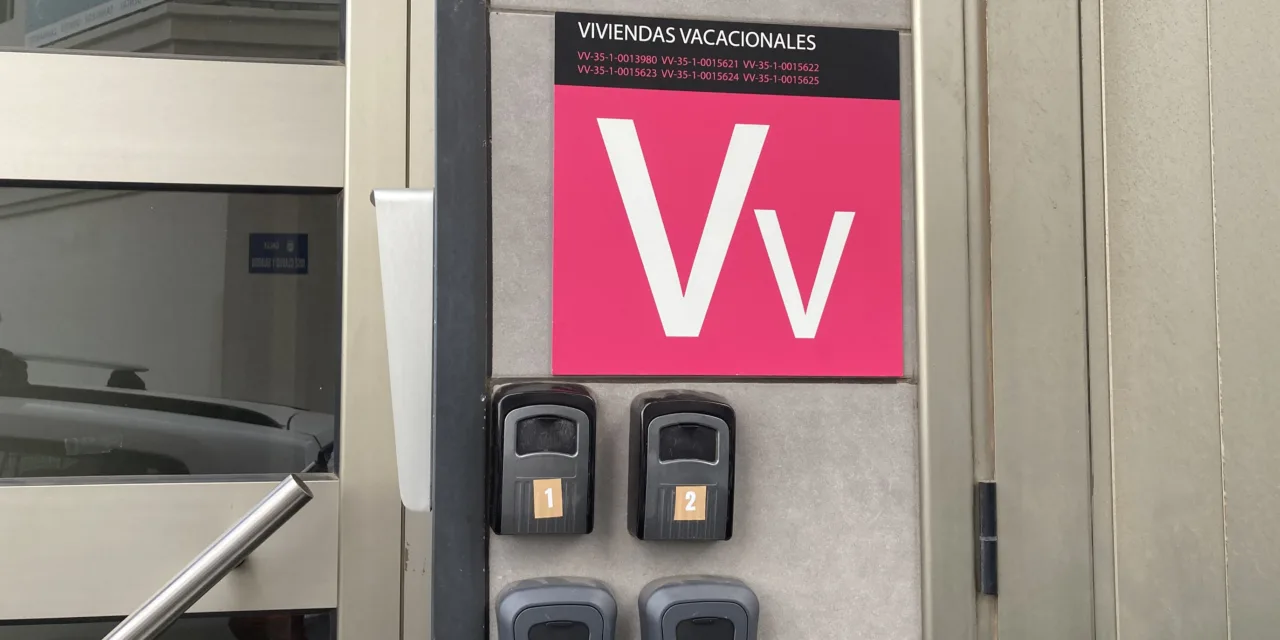
The law puts a hard cap on tourist apartments: a maximum of 10% of all housing per municipality (20% in some underpopulated “Green Islands”) can be offered as VVs, meaning many homes in Maspalomas, Playa del Inglés, and Mogán will eventually fall outside the new legal limits. Local press has highlighted the “controversial” nature of the norm, noting its “scant acceptance among social actors,” particularly property owners and local councils who must now shoulder most of the enforcement responsibility.

Municipalities now have five years to determine exactly where VVs can operate. If they don’t update their urban plans, no new licenses will be issued until substitute norms kick in. Even current licenses, over 70,000 island-wide, transform into 5-year permits that must meet new standards: technical requirements for safety, salubrity, and accessibility, plus a minimum home size and energy efficiency rating. Properties previously protected as social housing, or those rejected by a vote of neighbour owners, are barred from tourist use.
A hot topic in local press has been the “indefinite consolidated use” option: small property owners who can prove active rental in the past year may keep their VV status forever—but only after passing all new compliance checks. Journalists have pointed to the challenge of demonstrating continuous use, especially for those affected by pandemic closures or recent letting breaks.
For larger blocks dedicated entirely to tourism rentals, owners can request rezoning to become full-fledged apartments or hotels, erasing their residential status—another loophole with big implications for investors and local communities.
How Will This Affect Owners and Tourists?
For property owners in south Gran Canaria, nerves are running high. Local coverage warns about gentrification pressures, as the law admits “obsolete and unsustainable urban models” have led to “more tourist flats than residents” in some neighborhoods. Local officials say enforcement will be a “mastodonic” challenge, with most councils lacking enough staff to monitor compliance and process plans as required by the law. Many fear long waits and lost income as permits become harder to obtain, or simply expire when zoning plans are tightened.
On the flip side, some see opportunity: the law allows flexibility in municipalities that can justify more tourist flats with local studies. Modernized VVs that meet the new rules could become more attractive, safer, and environmentally friendly for visitors. Hotels, meanwhile, have widely celebrated the new regulations, stating in Canarias7 that finally “there are clear rules” after years of unchecked growth. Some owners also hope the five-year transition allows time to adapt, invest, or negotiate for better local regulations.
For tourists, the immediate impact may be minimal—the south of Gran Canaria remains open for business and rentals are still available. But looking ahead, visitors can expect stricter standards, better listings, and fewer illegal flats. The market is likely to shrink and consolidate, driving up competition for high-quality legal accommodation.
The law is redefining holiday rentals, shifting power to town halls, raising the bar for legal compliance, and aiming to protect residents as well as improve the tourism model. While challenging for many owners now, it could reshape the island’s reputation—making it even more appealing to those seeking the best in regulated, sustainable tourism.