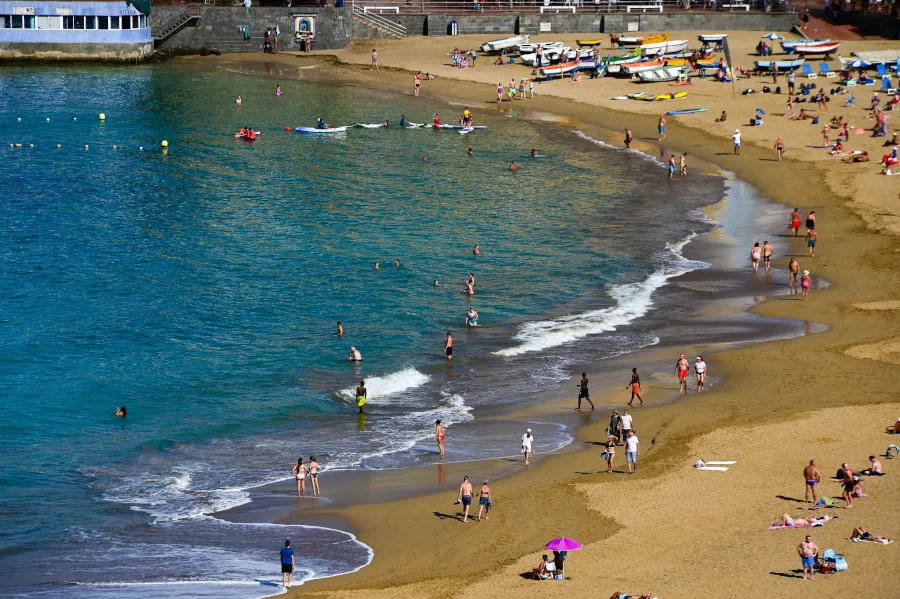
Las Palmas de Gran Canaria – Lifeguards responsible for the main beaches of Las Palmas, including the popular Playa de Las Canteras, began an indefinite strike on Monday, September 1, 2025. The lifeguards are citing unsafe working conditions, low wages, and a lack of institutional support as the reasons for their industrial action.
|
----- Google provide a way for you to
|
Despite annually performing nearly 300 rescues and over 580 medical interventions—including life-threatening incidents—many lifeguards report earning only around €1,000 per month. This has prompted renewed calls for improved contracts and workplace protections.
“We Risk Our Lives for Minimum Wage”
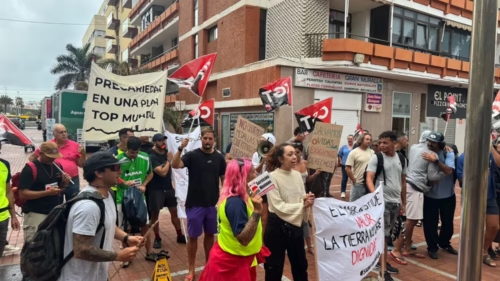
Speaking at a protest outside the City of the Sea Department, union representatives highlighted long-standing issues that they claim have not been addressed by the municipal authority or Cruz Roja Española (Red Cross), which holds the current beach safety contract for Las Palmas. David Rodríguez of the CGT union stated, “We’re putting our lives on the line daily, yet many of us can’t afford to live. Some colleagues are relying on food banks, while others are leaving the profession due to stress and burnout.”
Lifeguards also criticized the poor condition of their equipment and poorly maintained watchtowers, which they say offer inadequate protection from sun exposure or rain. Concerns were also raised about the lack of a comprehensive occupational risk protocol.
Rescue Numbers vs. Staff Support
According to official figures, in the past year, lifeguards:
-
Performed 294 rescues.
-
Conducted over 580 medical interventions.
-
Coordinated more than 60 hospital transfers from local beaches.

Despite these critical contributions, staff levels have often fallen short of city guidelines, with many planned posts remaining unfilled due to the unattractive working conditions.
The Cruz Roja Contract
The Cruz Roja (Red Cross) has held the Las Palmas beach safety contract since 2021, valued at €3.26 million. A new contract is currently under public tender, with minimum staffing levels outlined for each beach:
-
Las Canteras: 15 lifeguards in summer; 11 in winter.
-
Las Alcaravaneras: 3 lifeguards in high season.
-
La Puntilla: 1 lifeguard.
-
El Confital: 2 lifeguards during key holidays.
However, the union argues that these minimum staffing levels are not being met in practice.
A National Issue?
Labour disputes among lifeguards are not unique to Gran Canaria. Similar strikes and protests have occurred in Valencia, Málaga, and parts of Catalonia, with workers citing identical issues: low pay, seasonal contracts, and inadequate risk protection despite increasingly busy beaches and extreme weather conditions. Spain’s decentralized beach safety model means lifeguards are often employed by private contractors under municipal oversight, leading to disparities in working conditions across regions.
Strike Action and Public Safety
While the strike continues, emergency response on beaches is being maintained at minimum levels. However, unions warn that this is unsustainable in the long term. The city council has not yet issued a formal response to the lifeguards’ demands, which include:
-
A €1,400 base salary.
-
Modernized infrastructure.
-
Full staffing as outlined in the city’s beach safety plan.
-
Long-term contracts and professional development paths.
Tourists and residents are advised to exercise extra caution when swimming, particularly outside peak staffing hours, until the dispute is resolved.